Introduction
In autumn 2022 I directed Samuel Beckett’s Words and Music. For me, the play depicts both a creative and psychoanalytic process: a battle and eventual unification between one’s intuition and intellect. It contains archetypes, sounds, and bits of memory that become more coherent as words and music learn to cooperate. At this time I was also dating Cuban-American painter Amy Bravo. Amy uses symbolism from both Catholicism and Taíno practices to create a visual mythology of her upbringing and personal struggles. Although Beckett and Bravo are incredibly different artists, I saw in both a desire to make their messy, symbolic, unconscious worlds witnessed by the outside world.
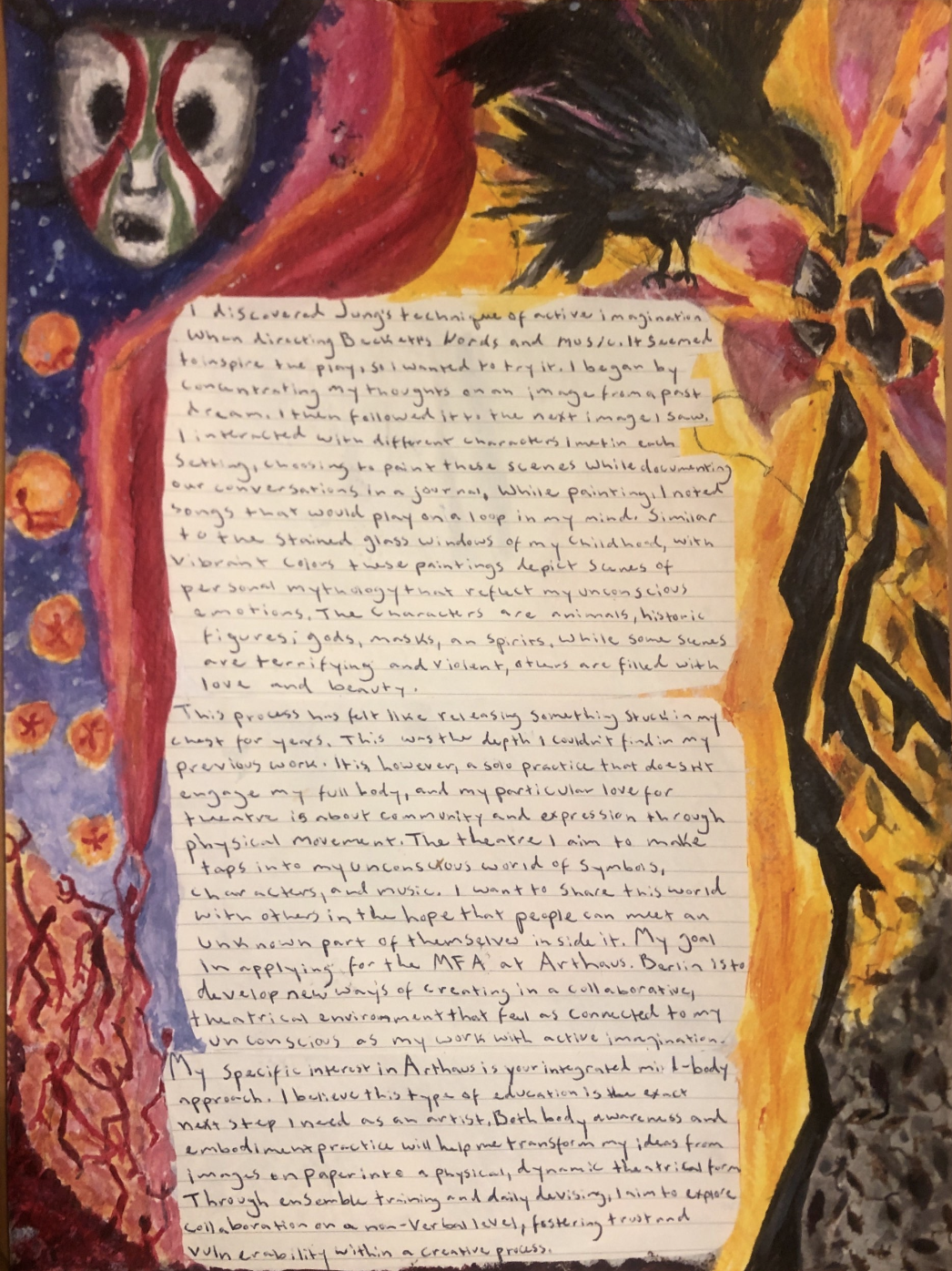
During my initial research on the play, I found extensive accounts of Beckett’s interest in psychologist Carl Jung. As I searched for specific ways Jung influenced Beckett, I came upon his practice of Active Imagination, a form of meditation that explores the unconscious mind through a creative medium such as writing or painting, translating its contents into characters, animals, narratives, or images. In his practice, he begins by asking the participant to focus on a recurring image from their dreams or everyday thoughts─often starting with a place. Then, using these conceptual places, he identifies the ways one can engage with different entities they meet through practiced dialogue and imagined exploration (JUNG,1916/1996, as cited in Chodorow, 1997). This style of psycho-creative inquiry was startlingly similar to how Amy described her practice. I wanted to try it myself.
___________________________________________________________________________________________
My first active imagination session took me to a desolate beach with rocky, multi-layered waterfalls in place of ocean water. The beach began in my childhood back yard, and the waterfalls sprouted where our neighbor’s house had stood. I had been here before in some sort of mix of dream and memory. After walking on the shore for a few minutes, I came upon a young fawn. She was shaking, shifting her gaze left to right. When I approached her, she cowered. It seemed any living being she encountered was a potential predator. I comforted her, asked her questions about her life, and over the next few minutes started to gain her trust. She told me she was rejected by her herd, that she didn’t feel ready to be on her own, but there was no other choice. Gingerly she asked me if I had any children, and if I had the time to take care of her as a mother. I started to cry. I had so much empathy for the young deer; I wanted to stay and see her grow and prepare her for the world, but I had so many other places to see and creatures to meet. I decided to end the session instead of rejecting her.
___________________________________________________________________________________________
This experience profoundly affected me. I would periodically revisit my text of this first encounter, and as I did, discovered new layers of my own psychology. I continued this practice, and it evolved over the next two years. The symbolism and stories deepened as I met new characters, new parts of myself. The entities and scenarios were horrific, vengeful, loving, fearful, ecstatic, heartbroken, all aspects of human experience. I found in my own psyche images from religion, mythology, and tarot. I often stayed up late into the night painting, writing, and making lists of sounds that flowed in and out of my mind.
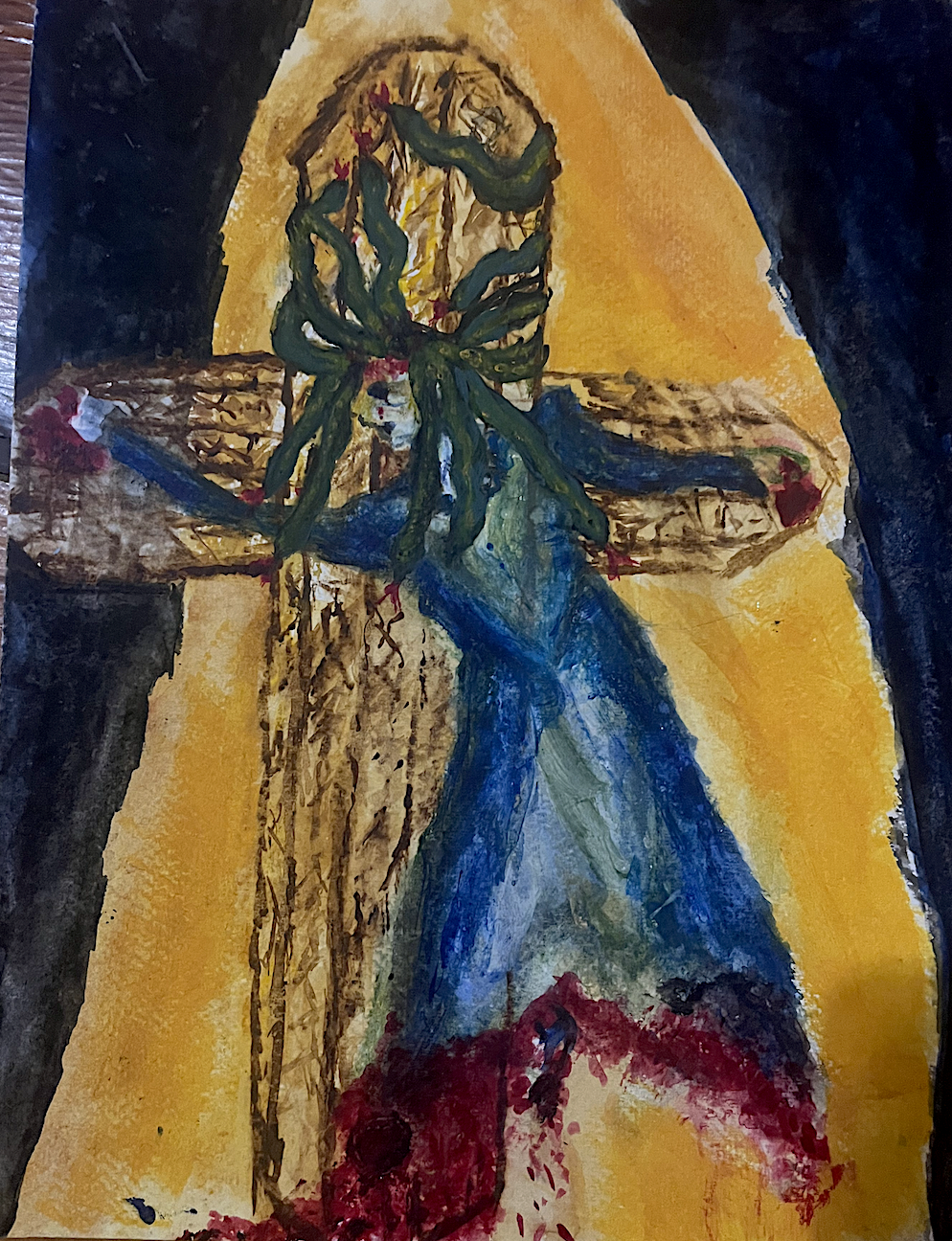
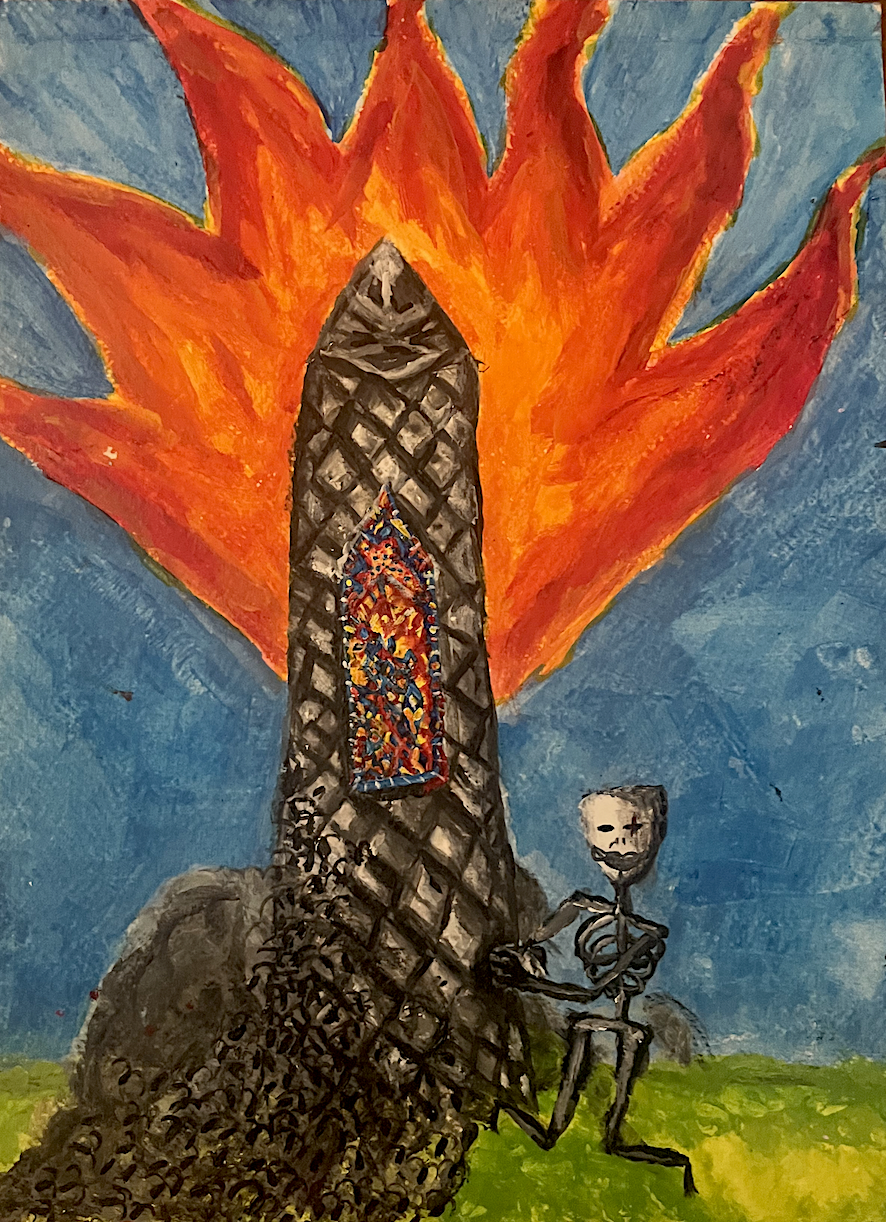
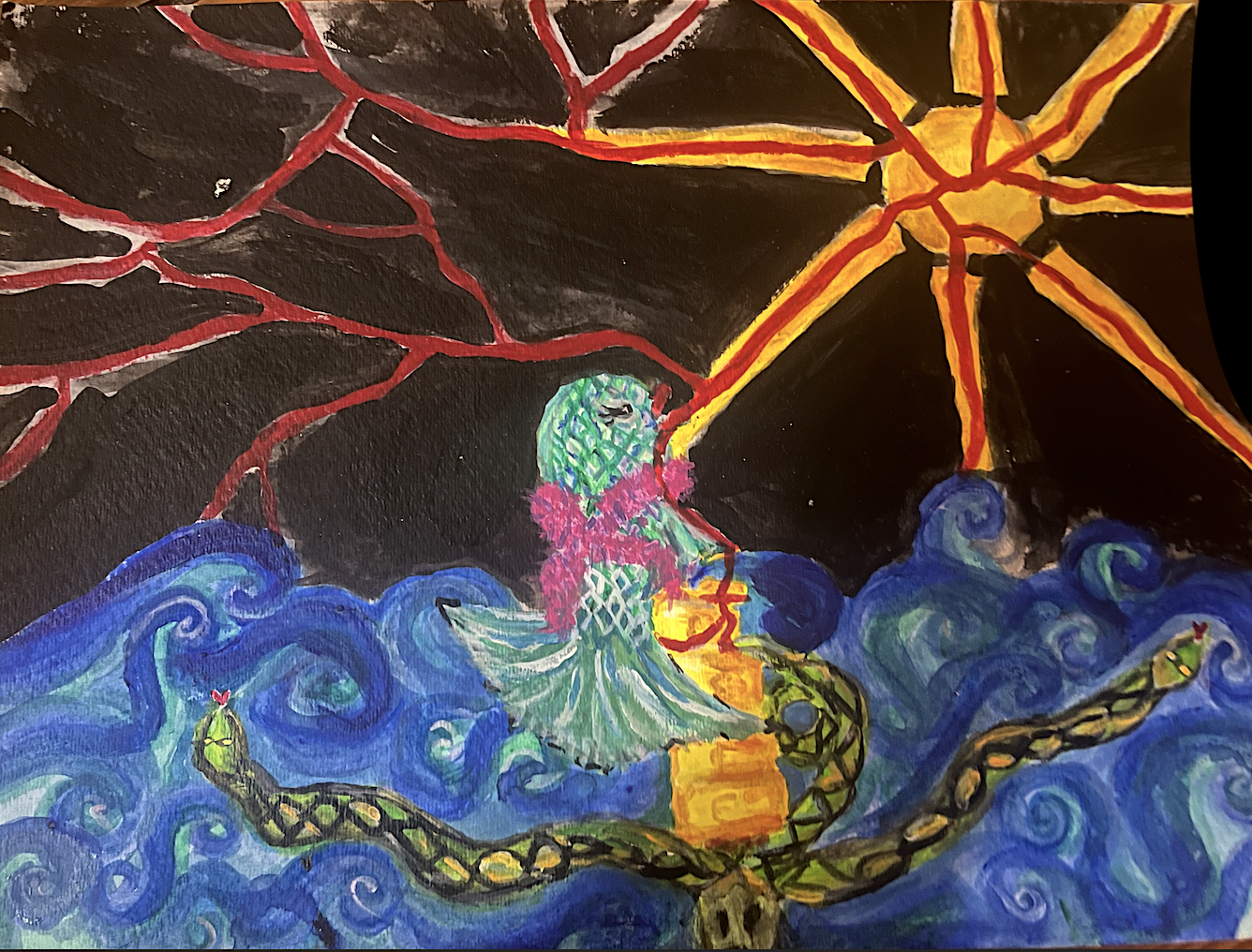
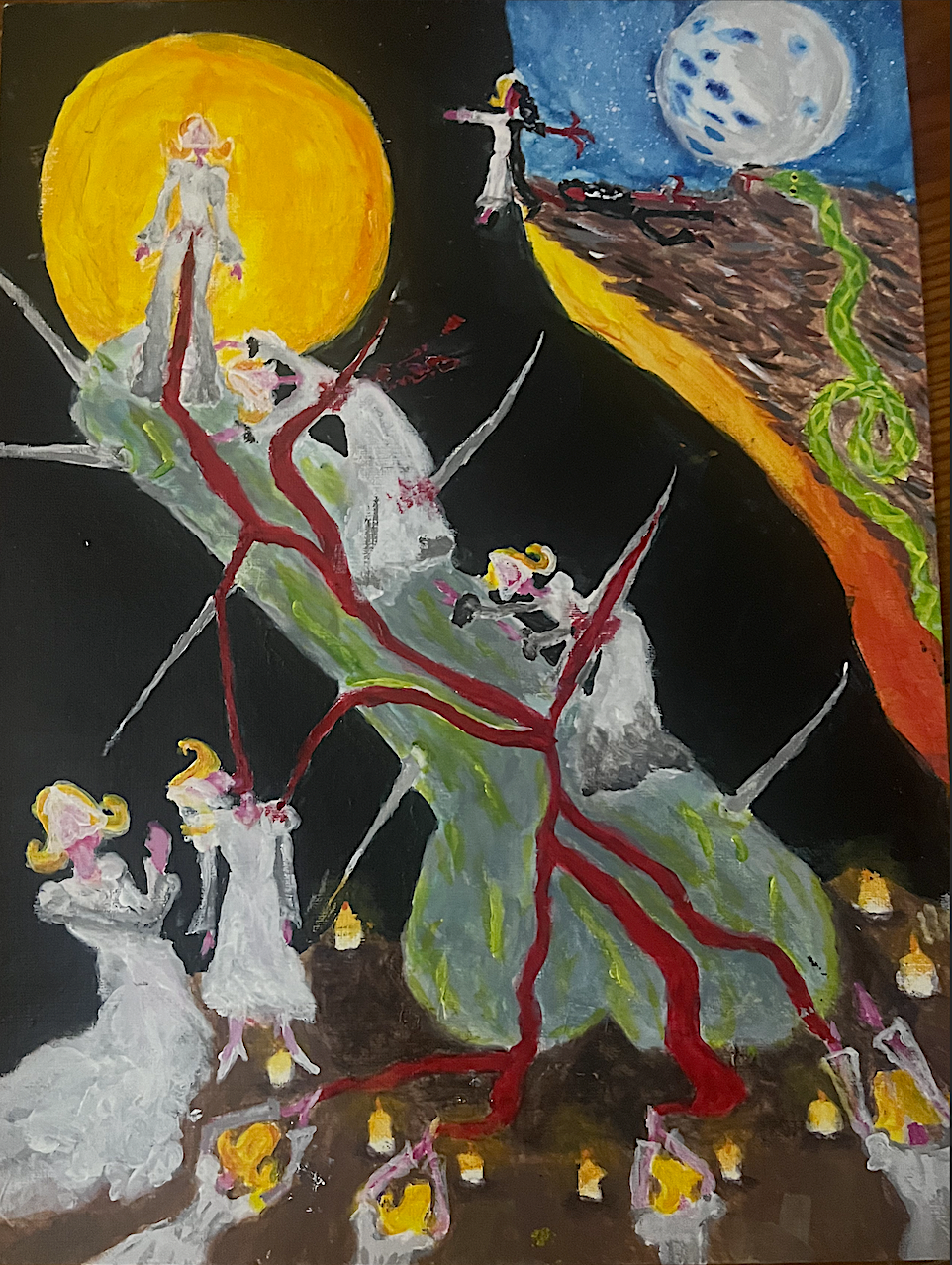
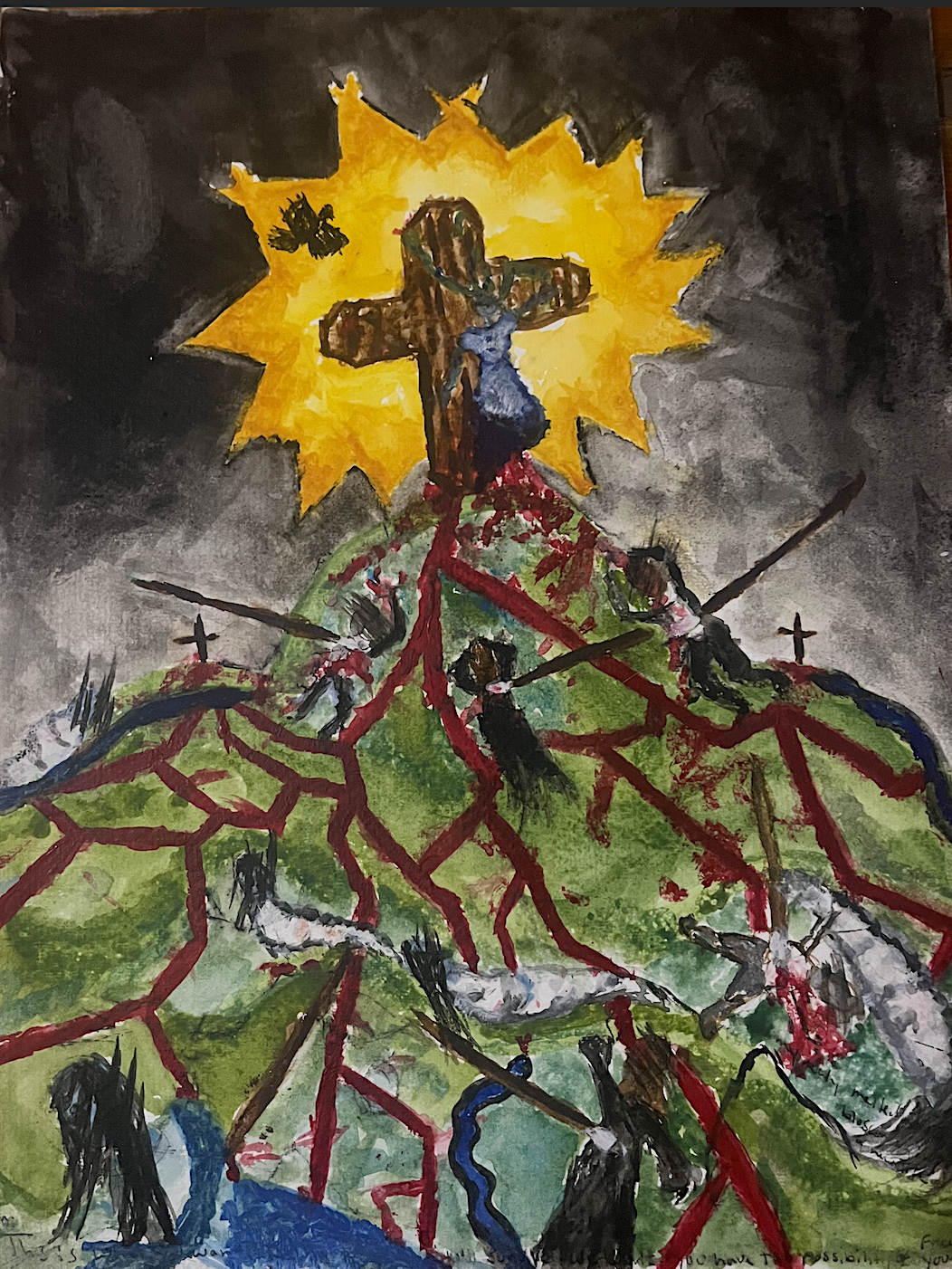
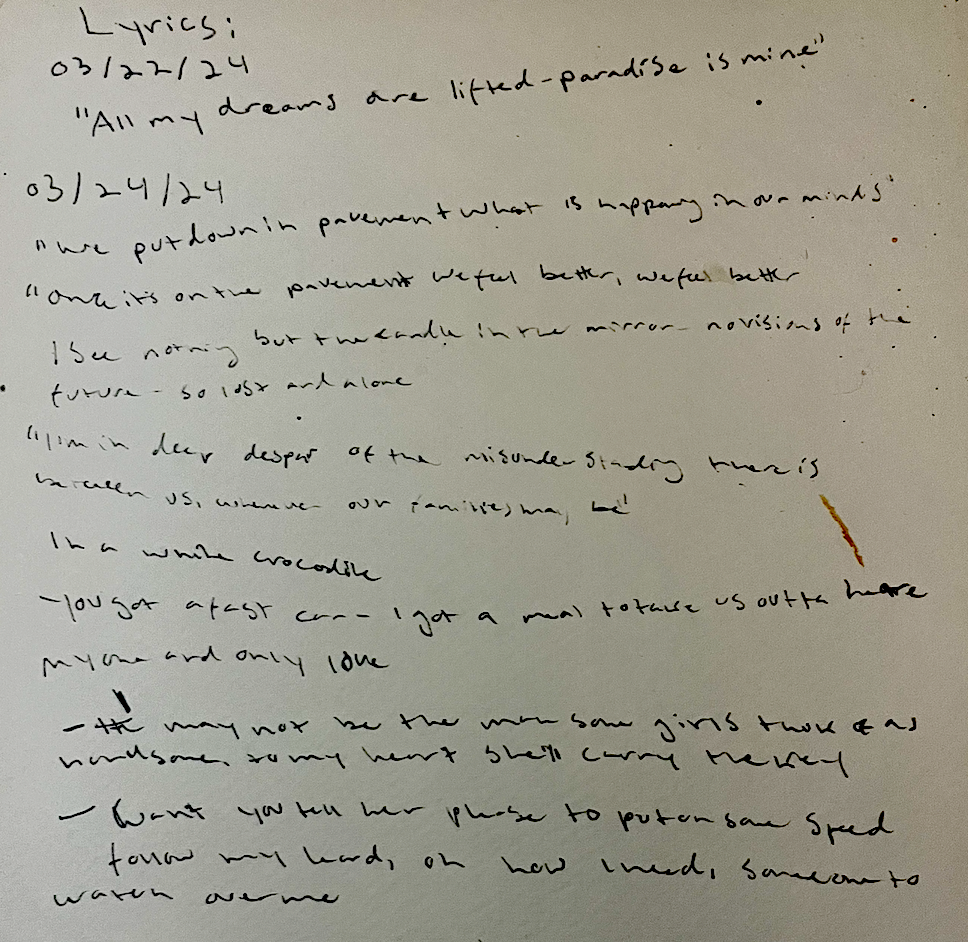
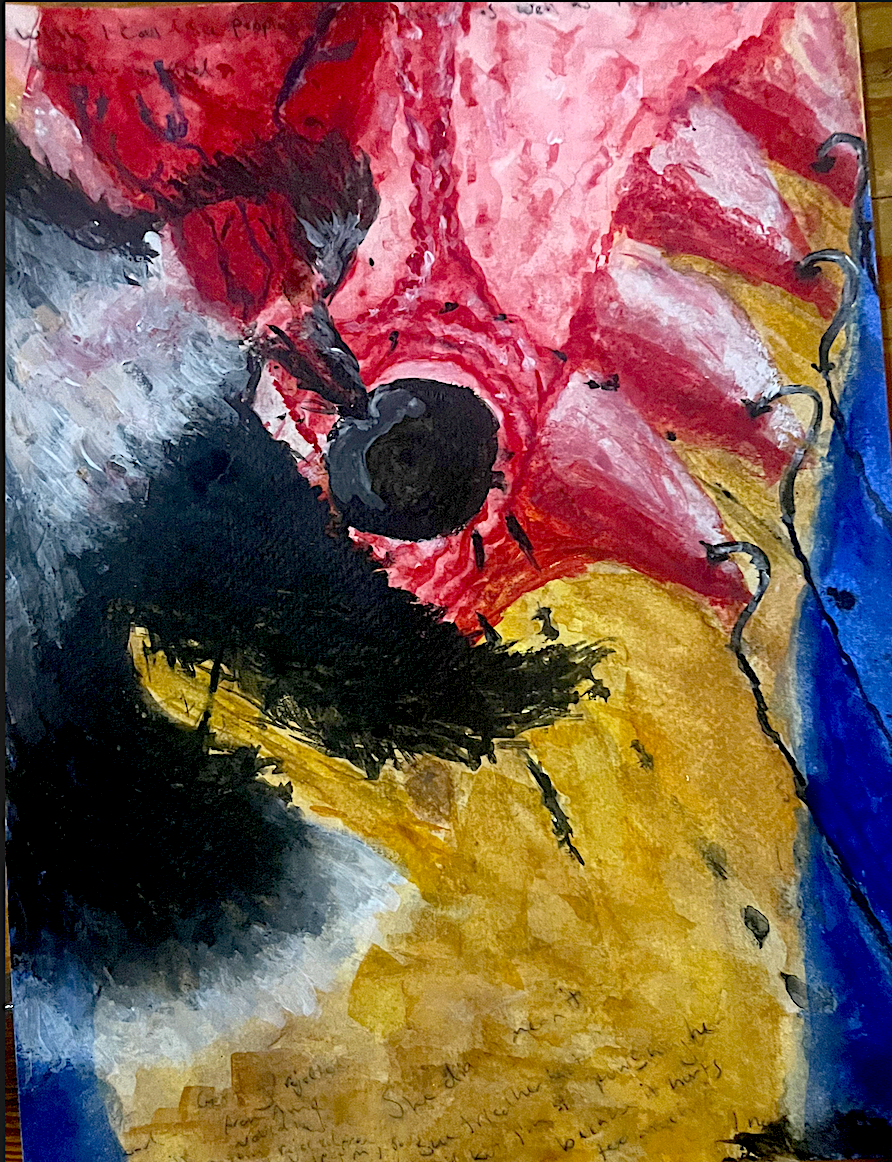
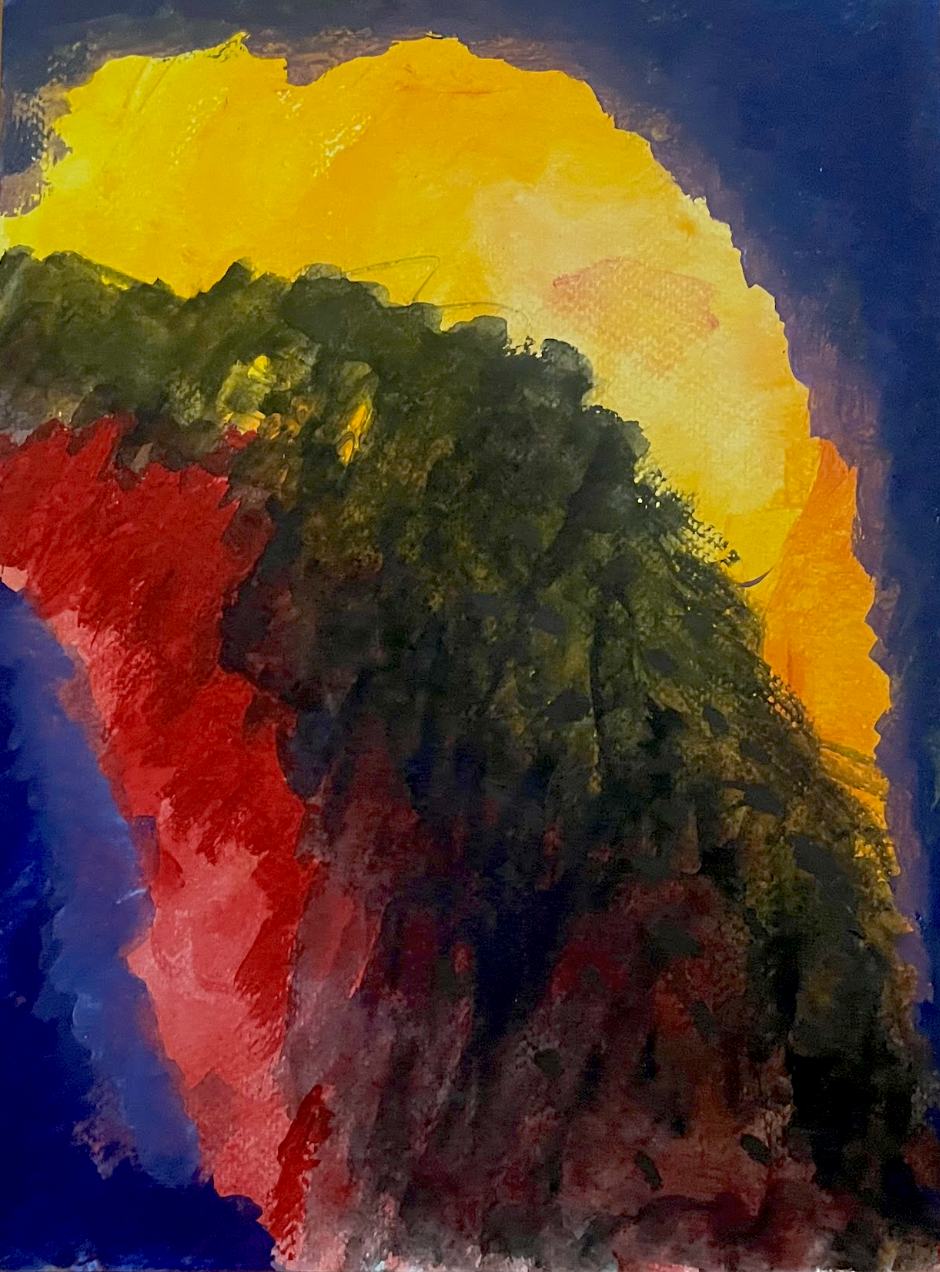
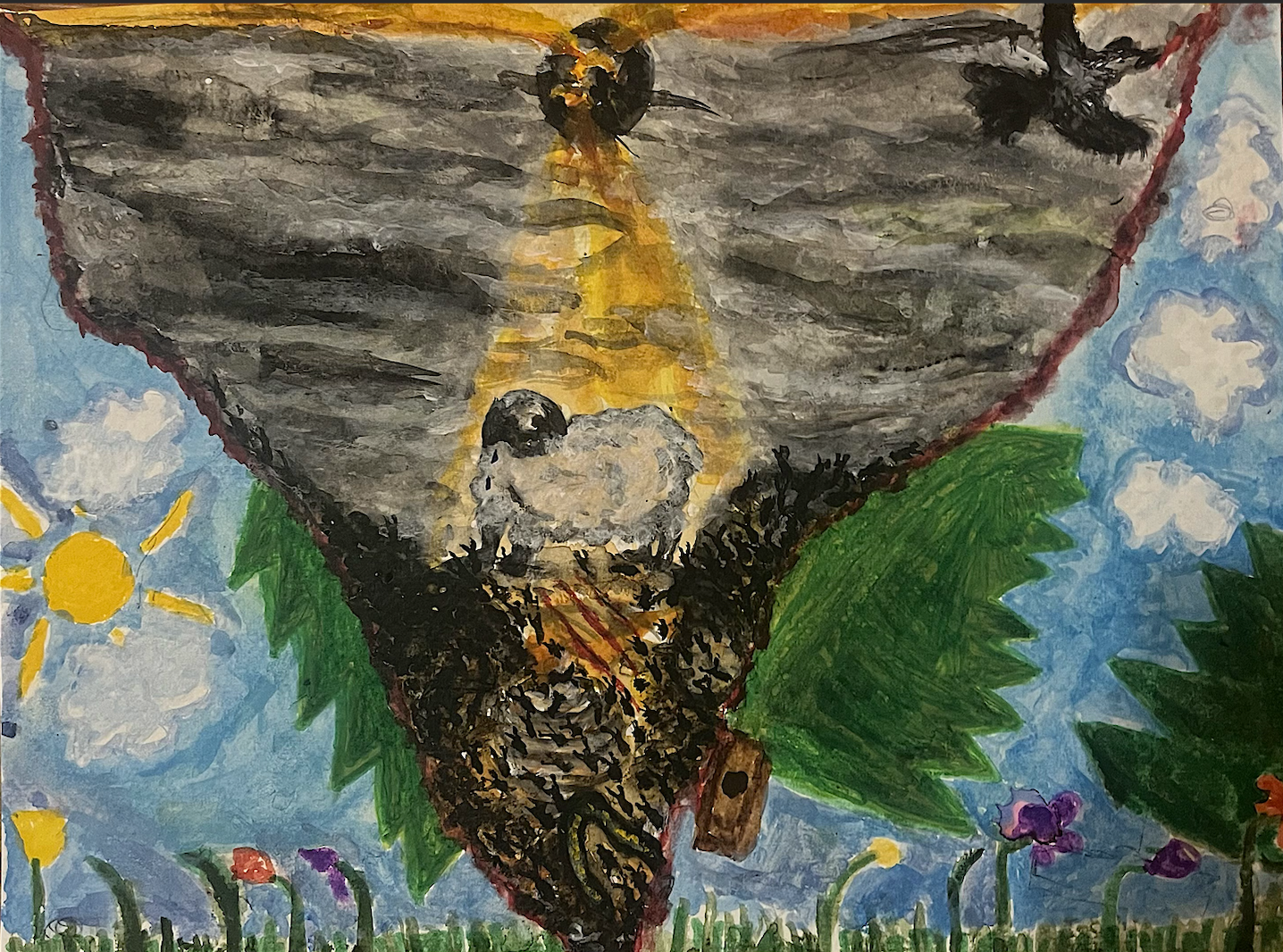
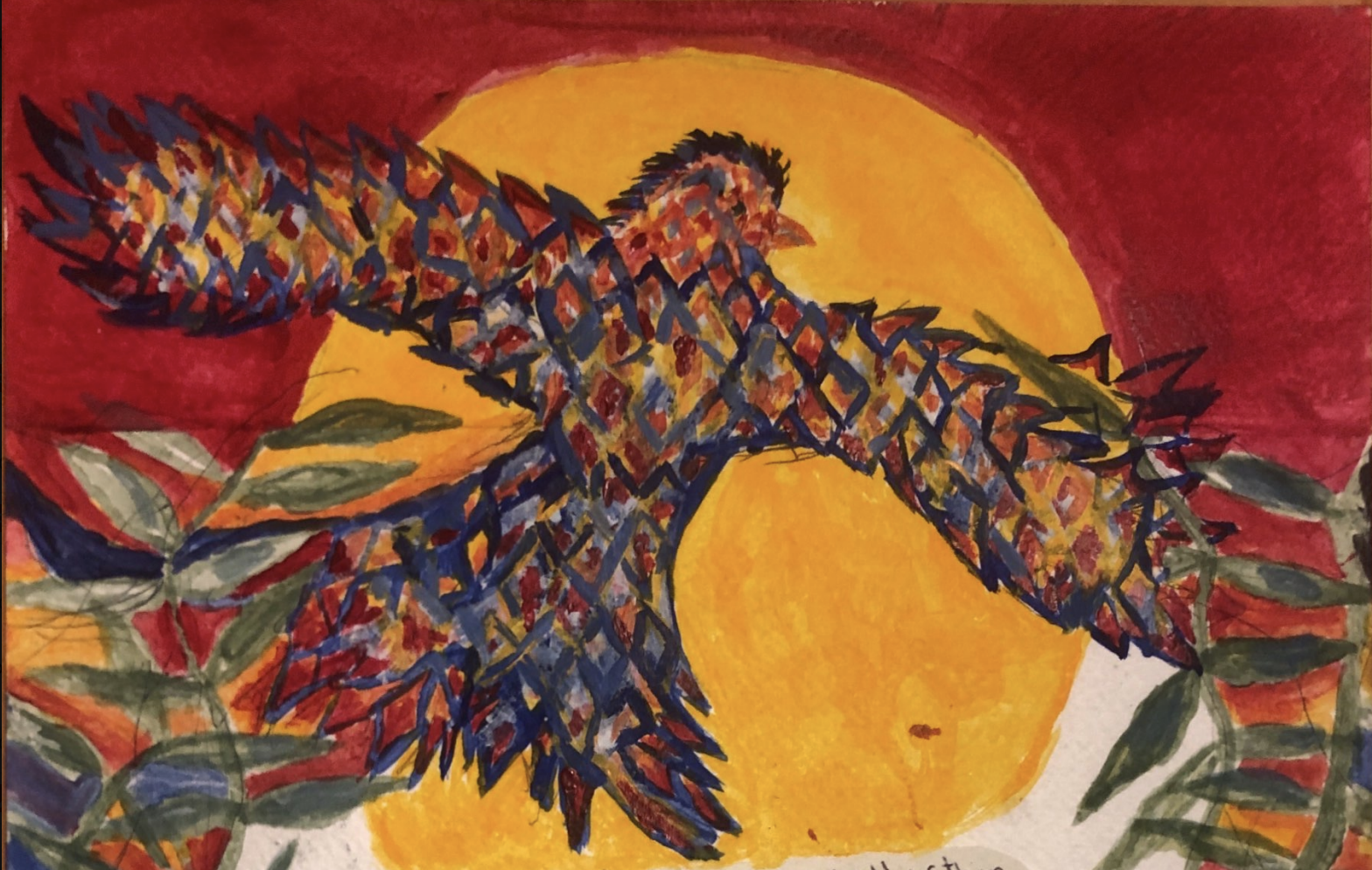
Although these were moving encounters that deepened my self-knowledge, I had no idea if these writings and paintings would be meaningful to anyone outside myself. I tried to find other artists whose work utilized a similar process, however almost all of them worked in solitude, and that was not me, at least not completely; My greatest passion is directing theatre, working with and leading a group of people, creating something through relationship and interdependence. Going into the Arthaus Berlin program I had one question to explore: As a director, how do I take an inner, symbolic world and turn it into something communal?
The topic of this paper is a performance research project I conducted in September 2026 using the above question, however, its conception was predicated on past MFA pieces. Thus, I will first summarize key discoveries from these performances, then after, give a more substantiated account of my present project’s research and methodology.